Physical Address
Kigali, Rwanda
Gasabo, Kimironko
Physical Address
Kigali, Rwanda
Gasabo, Kimironko
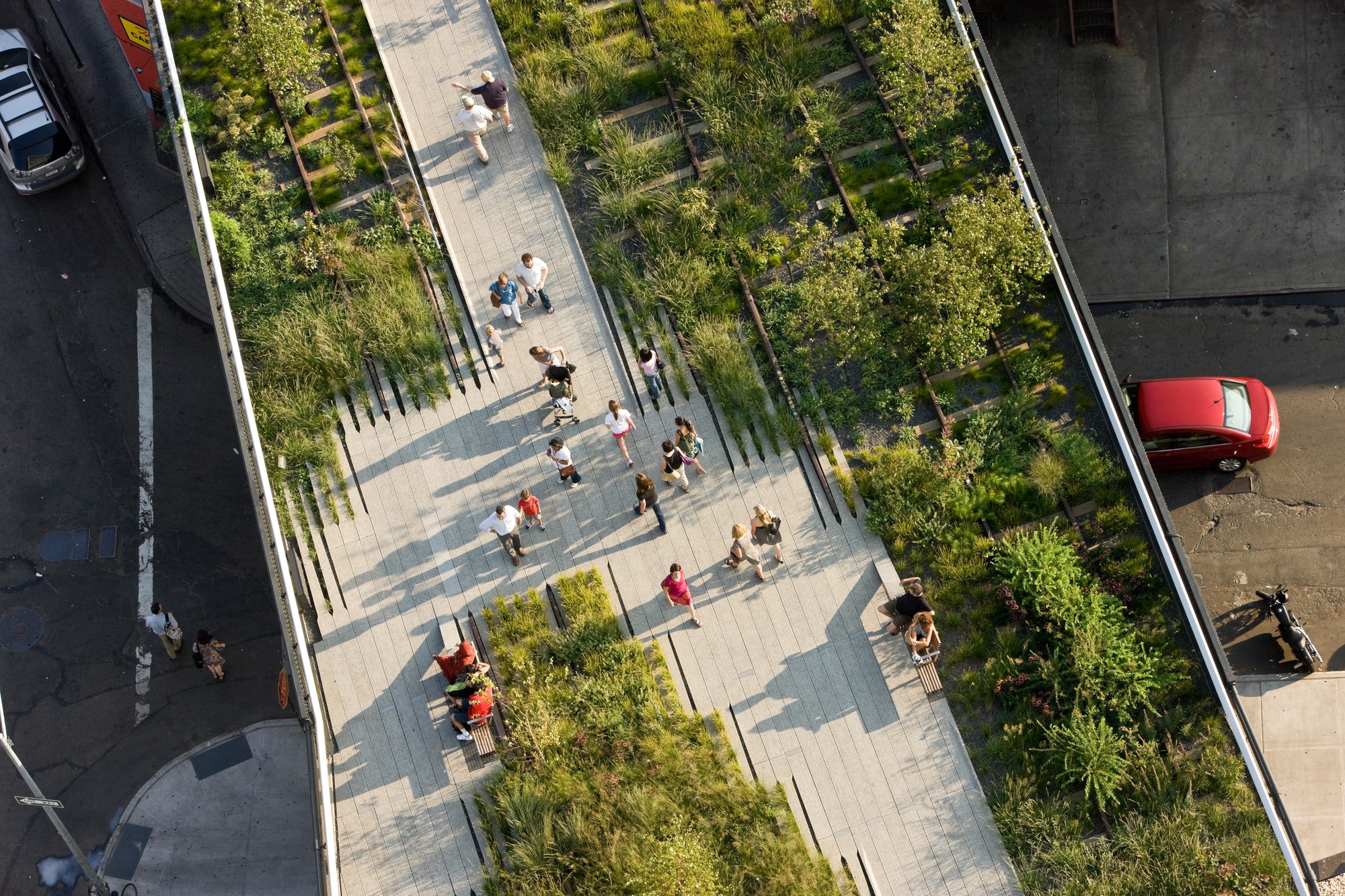
One of the interesting things I have seen in the architecture community is how much ego we tend to have, especially in designing where we want to add “our personal touch”.
It is not entirely a bad thing–in fact I think that growing into your own architectural style and having your personal touch is a gift.
But there is a thin line between being proud of your growth by leaning into your own personal style and designing to stroke your own ego.
Projects, especially those to be used by a wide public audience, should not be your playground to do whatever you feel like disregarding the very people you are designing.
I strongly believe in understanding the communities we are designing for, engaging with their lifestyles, and involving them early on in the design process.
Today, I will talk about how important it is to observe and learn the behaviours of those we are designing for so that we make projects that are not just useful but lively and the kind that people want to go back to every time.
One of the easiest ways to see the gap between design intentions and real human behaviour is the existence of informal paths and shortcuts people carve into gardens, lawns, or open spaces.
When you see these small dirt tracks slicing through a green space, it’s never really random. It is such a powerful quiet way of the community saying ‘this is the direction we actually need to go/pass through’.
If you sit back and ask yourself why these informal paths exist, you will usually find that they appear because of different reasons like the layout not matching people’s daily movement patterns.
Or the official path is too long or inconvenient. Or there are no pedestrian-friendly options, so people create their own.
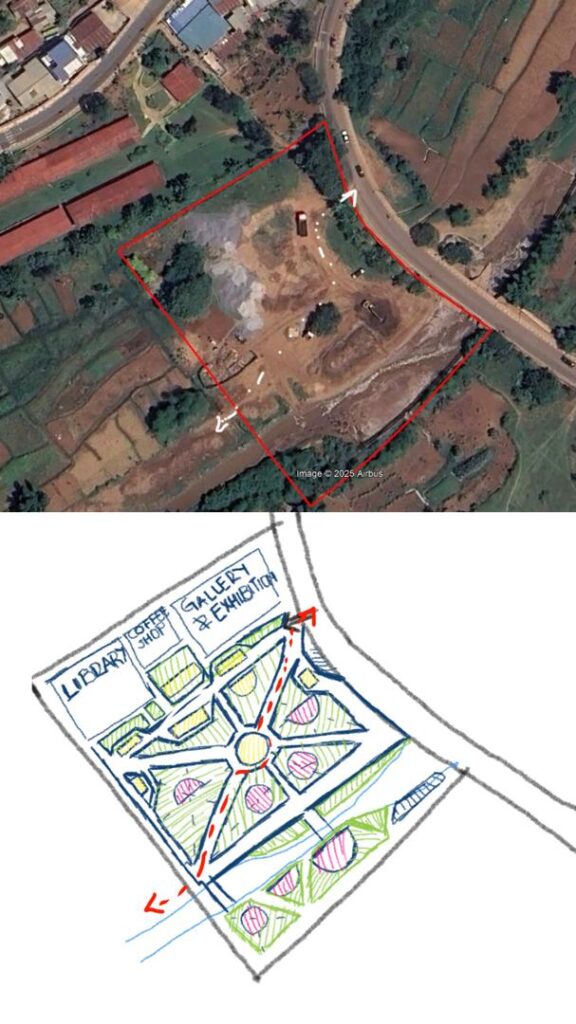
All these point to one thing really the deeper you: there was not a deep understanding and consideration of how people would behave when the formal paths were given, or there was no prioritization of the people in some cases(like when there are no pedestrian sidewalks along roads.)
People adapt spaces to fit their lives. If the design doesn’t respond to their needs, they’ll rewrite it themselves. And this is not just true for informal paths, it is true for schools, public spaces, commercial projects, any project that will be used by the public–you name it.
And as designers, it’s important we pay attention to this because reading these behaviours early on can save us from creating spaces that look good on paper but don’t work in reality.
When design becomes more about showing off than serving people, the problems reveal themselves almost immediately.
Buildings might look impressive in renders, sure, but on the ground, they feel disconnected from real life.
It can be observed when you see beautiful spaces that people can’t really use; like imagine if you had a plaza with stunning geometry but no shade, no seating. It might be cute for taking pictures, but no one stays there after that.
And you will find that designing for ego prioritises architectural identity over community identity, which can make a project become a personal signature instead of a reflection of the people who live around it. It might win awards, but it doesn’t connect with daily users.
It can also lead to creating spaces that feel hostile without meaning to. High steps instead of ramps, narrow walkways, dark corners, shiny materials that get insanely hot in the sun, and so many more examples– these are the mistakes that happen when the focus is on form over the lived experiences.
And obviously, we will have pathways and circulation that ignore how people naturally move, like I mentioned before. You end up with those unused official paths while everyone takes shortcuts through the grass because the layout was made for aesthetic symmetry, not real movement.
Ego-driven design usually creates places people pass through, not places people enjoy.
When we ignore behaviour patterns, we end up with spaces that look good in a portfolio but fail at the one job architecture should always do: support human life.
Observing human behaviour sounds abstract, but it’s honestly one of the simplest (and probably the most overlooked) steps in design.
You don’t need fancy tools either, just curiosity and a willingness to watch how people move, pause, gather, and avoid, and maybe a sketchbook and your phone to note down your observations.
Here are some practical ways to do it:
Spend time on-site at different hours
Morning movement is not the same as afternoon or evening movement. You’ll notice when spaces feel alive, when they feel unsafe, and who actually uses them. A site at 10 am on a random weekday can lie to you, but if you do it on other times, you will get a better view.
Map informal paths and repeated patterns
Look for the informal shortcuts people have formed, the side of the street where everyone prefers to walk, or the cluster of spots where people naturally sit even if there’s no bench. These are ‘behavioural drawings’ made by the users themselves.
Watch how people interact with micro-elements
Do people sit on ledges instead of benches? What and why do they avoid certain corners? Do they cross the street where it’s ‘not meant to be crossed’? These tiny actions tell you more than any official plan ever will.
Talk to people: short, simple conversations
Ask shop owners, bike riders, cyclists, street vendors, or students how they use the space. You don’t need a big questionnaire, in fact I’d advise you to not bring any if you want people to not be on guard, and just approach them naturally. Even asking, “What do you wish was here?” can change how you see the site.
Observe the edges, not just the center
One thing I have noticed is that humans love edges. Most of us don’t really love being in the center because it tends to feel like there are spotlights on you. So, if everyone hangs out along walls, tree lines, or shaded boundaries, it tells you where comfort naturally forms, something ego-driven design often misses.
Notice avoidance more than attraction
Attraction is easy to spot, and very easy to create too. But design failures show up in what people avoid: a dark alley, a narrow path, a too-exposed seating area, a dangerous crossing,etc. Avoidance is data, so learn to take note of that data and use it to inform your design decision.
Take quick field notes or sketches
Now this is where that sketchbook I told you to carry becomes handy. Sketching flows, footprints, or clusters of activity helps you see what the space wants to be, rather than what you think it should be. And it also helps you note what you see in real time so you don’t forget when you go back to your desk.
Honestly, observing human behaviour doesn’t require you to be an expert, just be willing to pay attention. Once you start seeing these patterns, you can’t unsee them, and you start designing with intention, not assumption.
One thing we sometimes forget as designers is that people don’t move through space the same way.
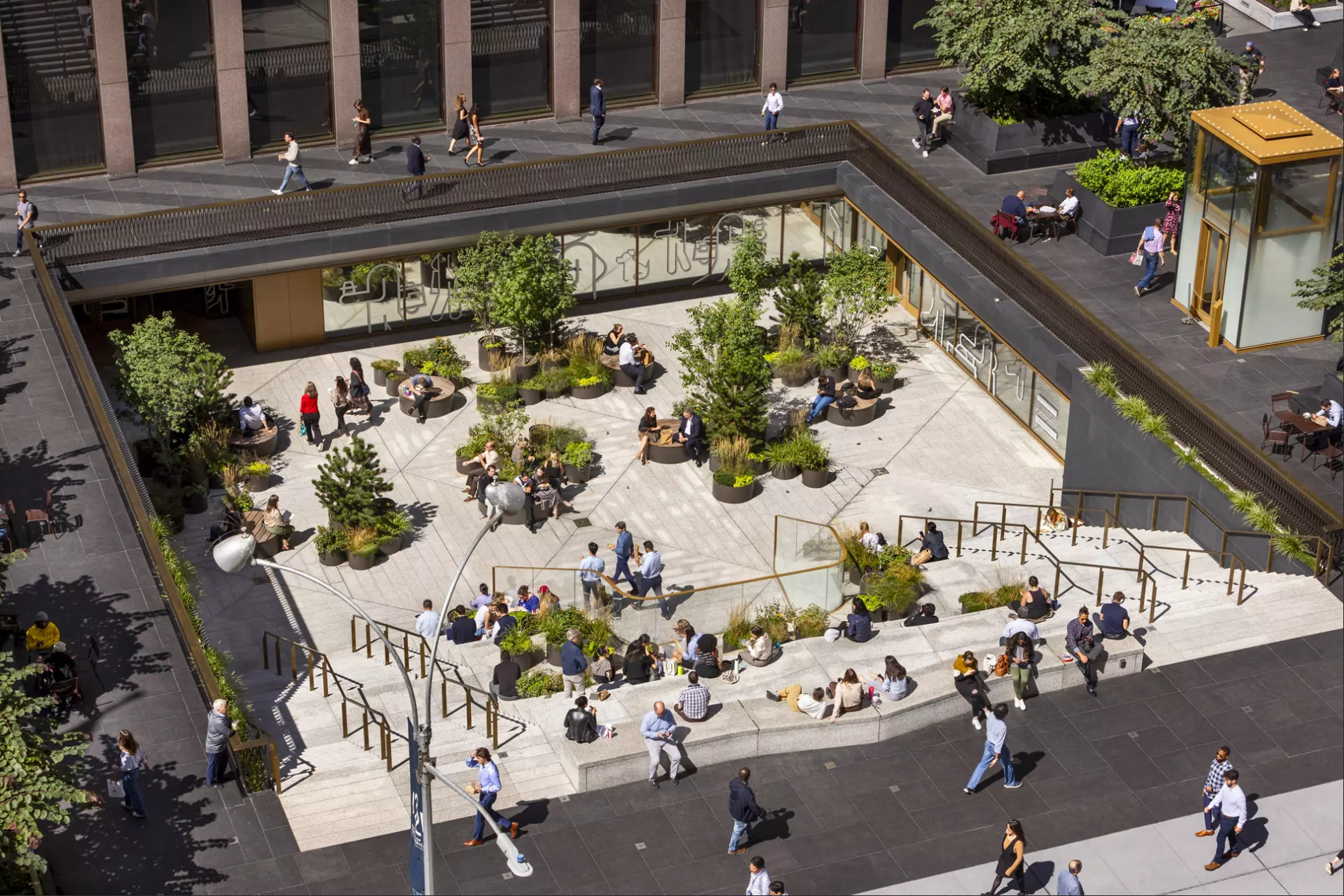
The way an old man moves through a certain space and experiences it will be different to what, say, a teenage girl’s experience or a toddler’s experience will be.
So, behaviour is shaped by culture, age, gender, ability, and even personality, and if we ignore that, we end up designing for a very narrow portion of humanity.
In some communities, people naturally gather in groups and stay outdoors longer. In others, people prefer privacy and smaller, quieter spaces.
A public space that works perfectly in Jamaica isn’t automatically going to feel right in Kigali. Same goes for the reverse. And not just because they are two different countries with different physical attributes.
Some cultures are more introverted and reserved, and therefore designing for them will look different compared to those that are loud and social.
Cultural habits shape how people sit, how close they stand to each other, how long they linger, and what makes a place feel welcoming or unsafe.
Like I mentioned before, different ages will experience spaces differently, at different paces, and require different things to help better each individual experience.
Kids need freedom, stimulation, softness, and visibility.
Teenagers want semi-private corners where they can hang out without feeling watched.
Young adults often need a balance of movement and relaxation–think places to sit, walk, or meet casually.
Older adults need shade, slower gradients, rest points, and surfaces that feel safe to walk on.
If a space ignores any of these age groups, it stops being truly public.
Women, LGBTQ+ people, and other marginalized groups often read spaces differently because they constantly evaluate safety.
This affects where they walk, which paths they avoid, and whether they feel comfortable using a space alone.
Good design acknowledges these realities instead of pretending they don’t exist.
Someone using a wheelchair, a cane, or a stroller is going to have a completely different experience of ramps, curbs, steps, and door widths.
Accessibility is not a checkbox; it’s a behavioral clue about how different bodies move through space, and a design must so as to accommodate those realities.
Some people gravitate to open areas, while others choose edges. Some love being in the middle of activity, and others prefer quiet corners.
Designing for variety is how you make a place flexible and inviting to more people.
The point here is: you can’t assume one behaviour fits all.
Observing behaviour means paying attention to the many types of people who will use the space, not just the ones who look and move like us.
Once you’ve observed how people move, gather, and interact with space, the next step is translating those observations into real design decisions.
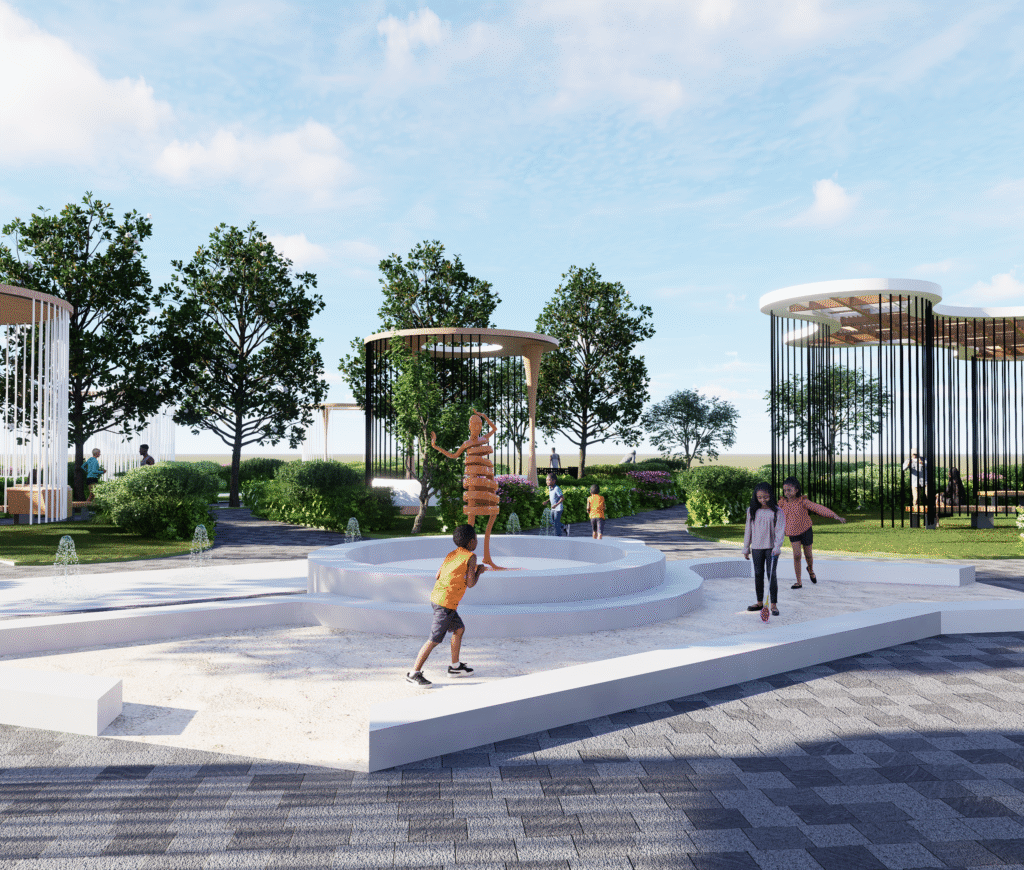
Designing with behaviour in mind means letting the way people actually use a space guide your choices, not the other way around.
Here are a few ways you can translate your observations into actual design decisions and conclusions:
Designing with behaviour in mind is a simple philosophy: watch first, design second.
Observing behaviour is powerful, but it’s only one piece of the puzzle.
The real magic happens when you actually involve the people who will use the space from the start.
Community engagement isn’t a bonus. It is essential if you want your project to succeed.
When communities are involved early on, you learn what matters most to them. People notice details designers might overlook: where rain collects, which corners feel unsafe, what makes a space feel welcoming.
You reduce costly mistakes before it’s too late. A design that ignores local behaviour or culture might look good on paper but fail once it’s built. Early feedback prevents errors and ensures your space works for everyone.
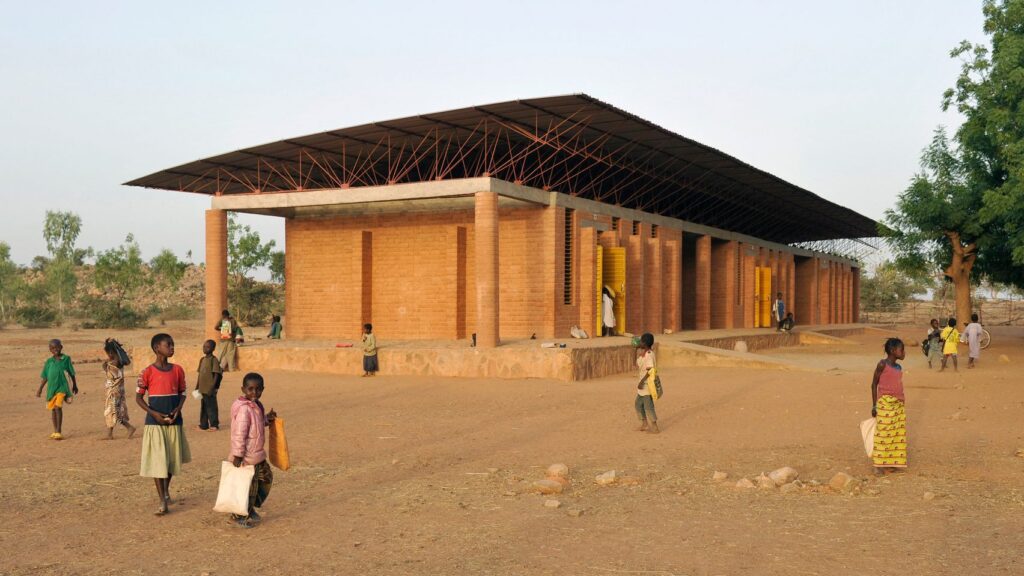
And When people see that their voices matter, they feel connected to the space. They’re more likely to take care of it, use it, and return often. As a result, you build a sense of ownership and trust in them.
Listening to communities you are designing for helps you prioritize real needs over assumptions.
Community engagement can be as simple as talking to locals, conducting short interviews, or holding workshops. Even small efforts reveal patterns that observation alone might miss.
The bottom line is: if we design for people without talking to them, we’re only guessing.
Good design listens, learns, unlearns, and adapts. That’s the difference between a space that looks nice and a space that actually lives.
If there’s one thing I hope my wonderful readers take away from this, it’s this: the future of architecture isn’t about the ego of the designer, it’s about the people who will actually live, work, and play in the spaces we create.
Designing with communities means moving beyond assumptions and aesthetics alone. It’s about listening first, designing second.
The challenge for us as designers is simple but profound: step back from the ego, step closer to the people, and let human behaviour guide every decision.
That’s how we create spaces that aren’t just seen; ones that are lived, loved, and remembered instead.
I hope today’s reading was inspiring, as long as it may have been. I didn’t want to use a lot of pictures today because I wanted us to focus on the message.
I’ll see you all next week, same time!