Physical Address
Kigali, Rwanda
Gasabo, Kimironko
Physical Address
Kigali, Rwanda
Gasabo, Kimironko
A few days ago, I was having a good conversation with my friend, and we ended up talking about sensory architecture and how architecture can enhance how we experience spaces through our senses.
It made me want to share about sensory architecture, so I dug deeper to find more about how it works exactly.
Today, I want to share with you some of the things I have learned about architecture that can please or displease our senses, and why it’s a rather important factor on our psyches.
As we walked in the Kigali evening on a pretty cold day, the fog hit our lungs and the wind carried a distinct smell that reminded my friend of his time back at his former school.
This memory created by smell, bringing back memories of a space made me think about how whenever we design spaces, we are creating a human experience that will evoke some form of emotion.
As humans, we live by and for memories. We remember the taste of food we had after a sad day and our brains associate that food with comfort.
We freeze moments we have seen in our minds, sometimes vaguely, other times sharply.
We associate some smells with specific feelings, sometimes people or objects.
And we touch, not just to feel, but to experience and ingrain in our brains what that touch evokes in us.
The power of our senses is honestly astounding, and scary at times.
And there is no better way to enhance how we experience the places we live in, frequent, or exist at some point in time than to design in a way that caters to this extraordinary thing that makes us human.
If you are looking to define sensory architecture, I would simply put it as a design philosophy that caters to the human sensory system–sight, taste, smell, sound, and of course touch, in a way that imprints on our emotions, making us feel and connect to the spaces beyond just existing in them.
Designing for the senses is pretty basic and simple–it’s literally considering what each sense responds to and working around that.
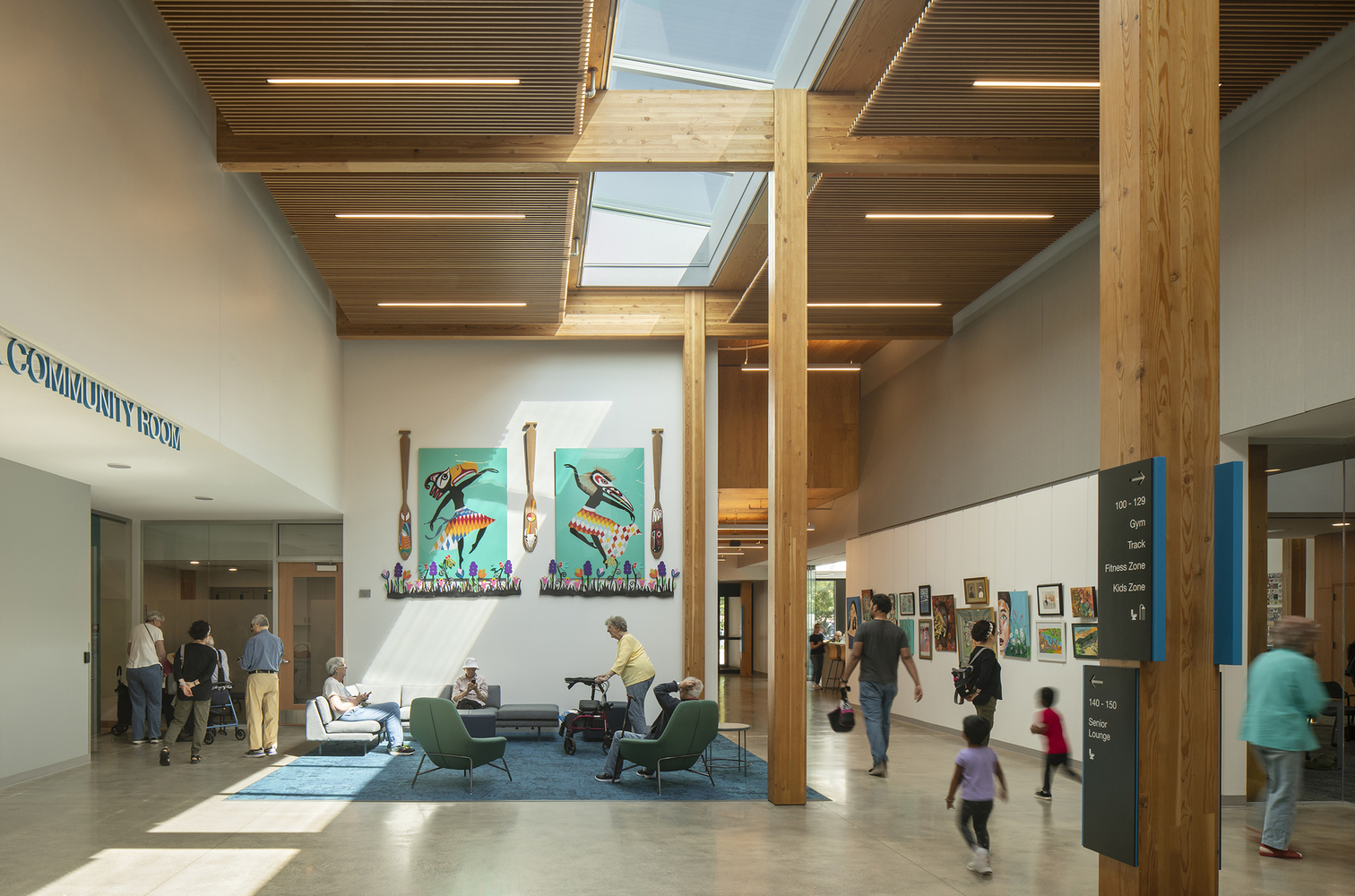
When designing for sight, you not only consider lighting, but also visual comfort and visual cues.
Knowing where to place windows, adding the right light temperature, using colored glasses on windows, knowing the right materials to juxtapose together–all that matters in making sure the visual comfort is well designed.
But it doesn’t end in lighting and materiality only either. Using design principles like rhythm, balance, directionality, symmetry, etc, all matter too.
Clean lines tend to put us more at ease, because we get the hang of the spaces we navigate pretty quickly based on intuition.
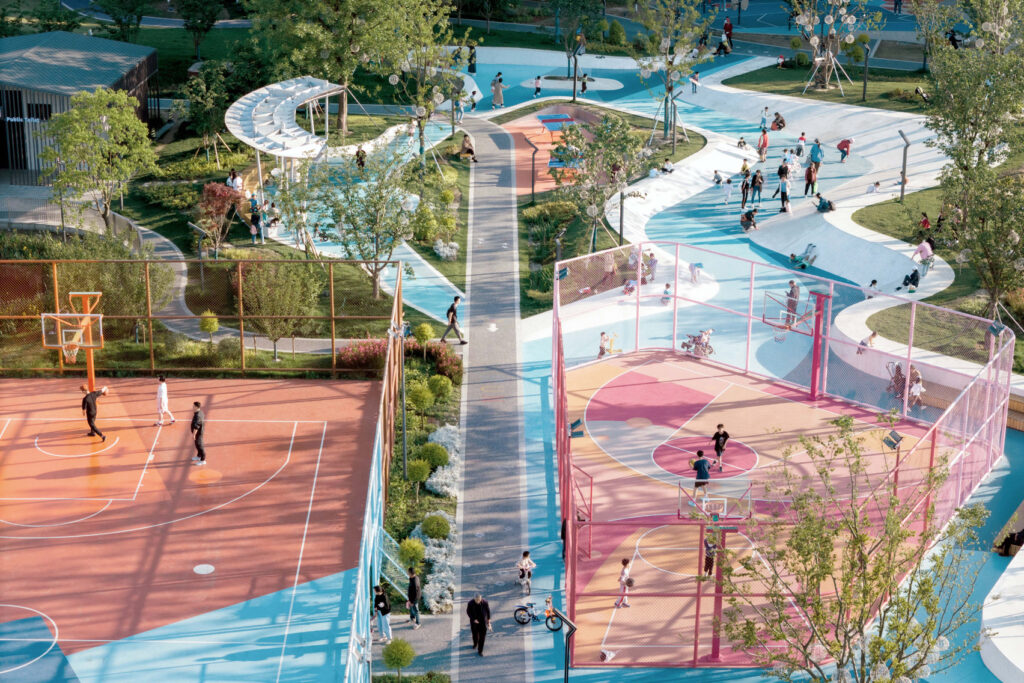
Curves tend to signify flowing movement and can be appealing to our eyes in a way that prompts our minds to have curiosity about where we’re landing next.
If you’ve ever gone in a building with a lot of echoes you know how uncomfortable it can get.
Designing for sound is mainly making sure the acoustics of the space are well considered and thought out.
Designing for sound also implies knowing how to deal with crowded environments, and being intentional at adding quiet places that can make us stop and enjoy a moment of silence and breathing, especially in urban scale projects.
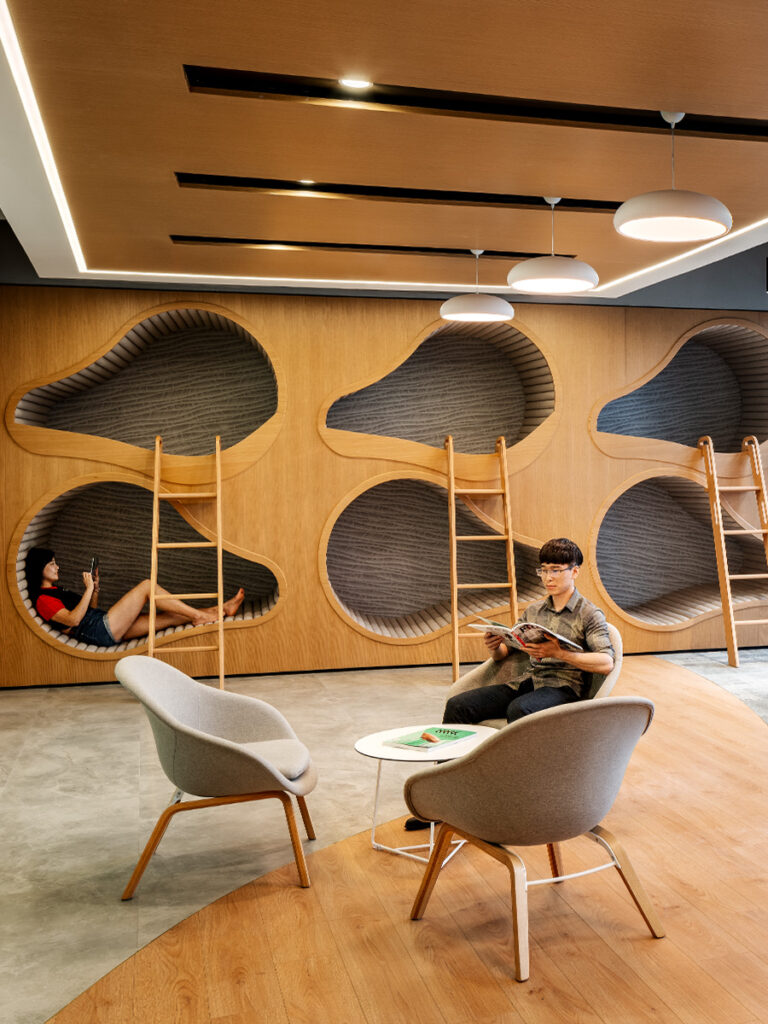
It is also responding to the needs of the programs you’re designing the space for. If you are designing for a market, the auditory considerations and prioritizations will be different than when you’re designing for a library.
It is also knowing that some materials respond to sound waves in different ways, and knowing which are adequate for what spaces in terms of auditory comfort.
Our olfactory system is one of the strongest memory holders, because we can’t really stop ourselves from smelling, and we tend to remember and associate different smells with specific emotions, spaces, objects, and even people.
And we literally breathe for a living, so it’s inherently something we need to consider pretty much in every space.
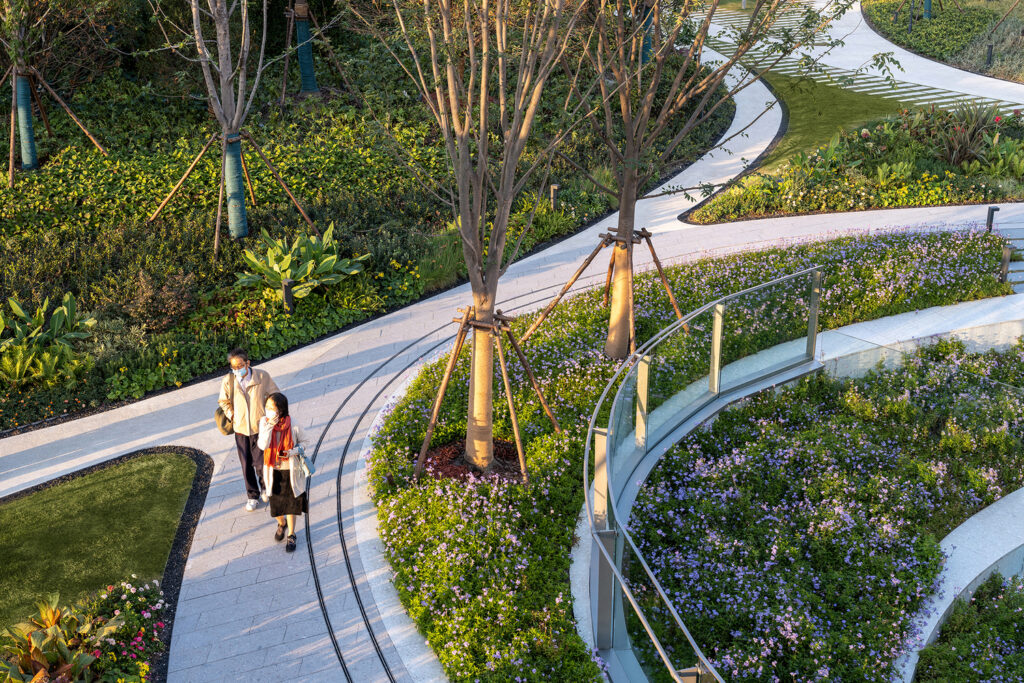
If we didn’t think about natural ventilation, I don’t want to imagine the quality of life we would be having, if any.
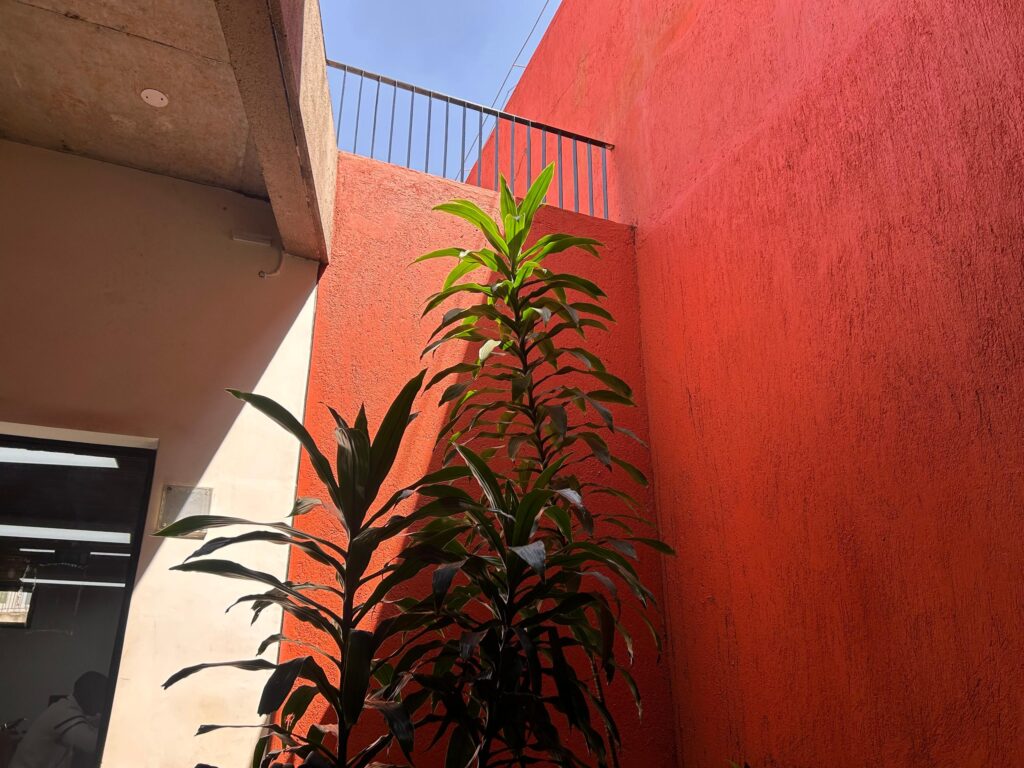
And although as architects we can’t be adding diffusers and fragrances in spaces we design, we can do something close to it. When you add plants to a room, it changes so much not just visually, but also in changing the quality of the air in said room plus fragrance, depending on the plants.
Some materials can also bring certain smells to a room.
Touching a textured wall feels different than touching a smooth wall, not just physically but also psychologically.
Some textures send certain messages to our brains. A rough texture might feel outdoorsy to some. A smooth one might signify a space that is meant to be pristine.
A cold material to the touch may send your brain into feeling much calmer, while a warm material makes you feel more cheerful.
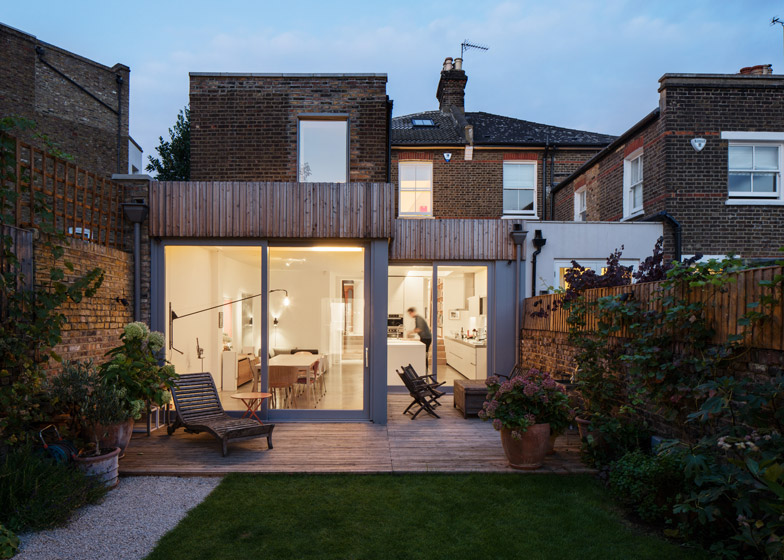
Choosing the right ventilation can also be an element of touch.
Large openings let in a gentle breeze on a wide area in contrast to a smaller opening which might make the wind enter a space with more pressure therefore feeling chilly on your skin.
This is not only overlooked but also a hard sense to design for.
We are not Hansel and Gratel to live in an edible house, so designing for taste usually uses other cues to appeal to our taste buds.
This can look like using colors and forms that remind our palettes of different food. Like using yellow can leave a sour-ish taste in your mouth because your brain associates it with lemons or pineapples.
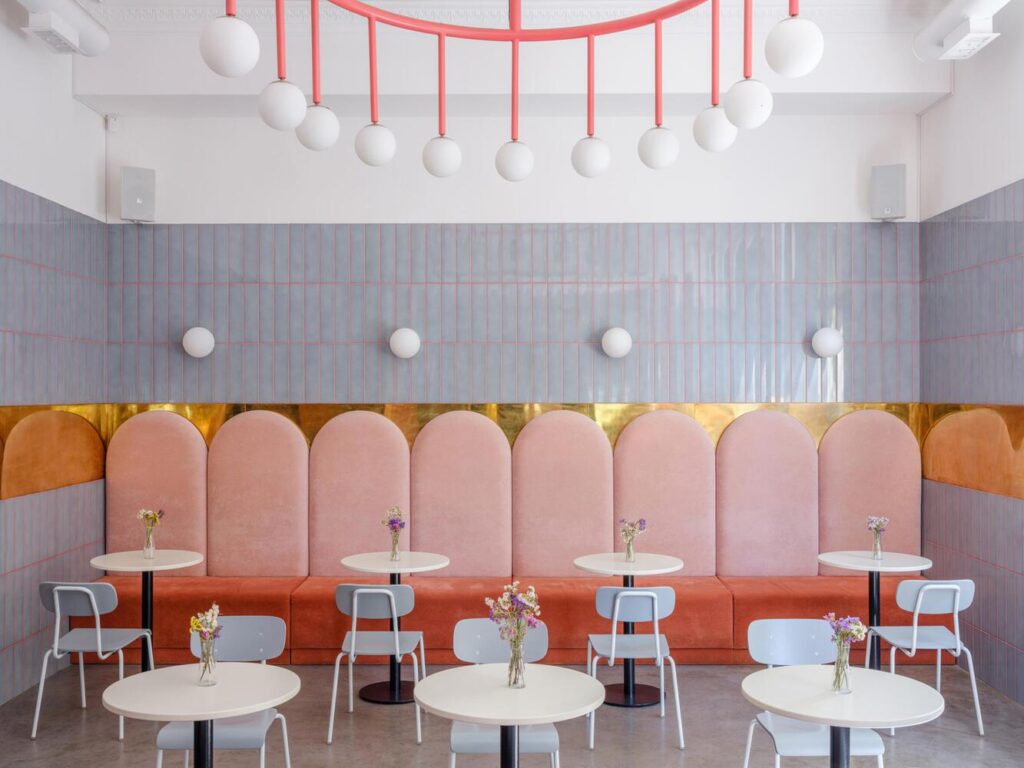
Or an orange color with the right hue makes your tongue tart because you think of an orange.
It is also in the way we incorporate different aromas in our spaces, like say we bring sweet smelling plants in a room as part of the design.
Or simply outwardly bring food in a design, especially in landscape designs where we can plant fruit trees that makes our tongues directly taste them.
I remember that at some point in our conversation, I was telling my friend how important it is to design spaces with the intention to touch our senses and evoke certain emotions.
If you design a space that intends to evoke strong emotions, say a memorial site, you will have to play with lighting and materiality in a different way than say a restaurant, or a school.
Sight is one of the most well established senses in architecture because when it comes to design, we all understand the importance of lighting and views, among other things.
But let’s take it a step further.
When you design for different sensory needs, you are inherently including a wider demographic to the space.
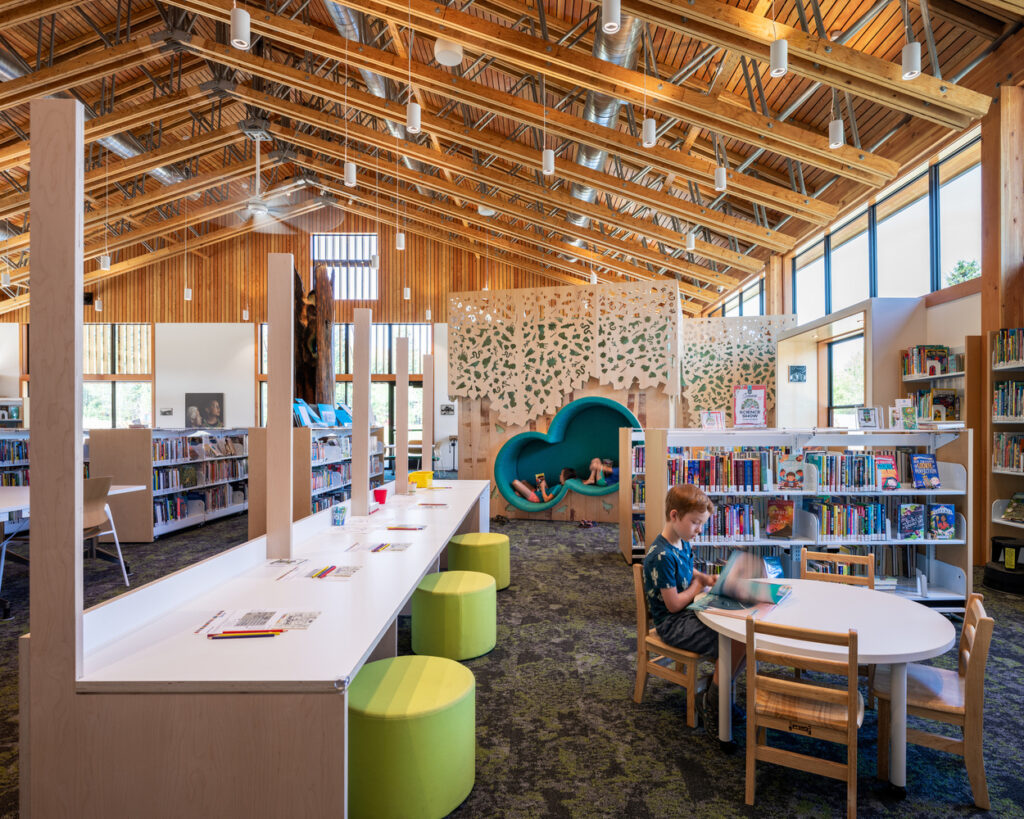
This might look like, and texture on the walls to direct the visually impaired, regulating acoustics and adding induction loops in your spaces to help those with hearing difficulties, colour coding spaces so that those with cognitive difficulties can keep up, creating “breathing spaces” among chaotic life moments to help those who need the calm, adding natural ventilation and specific plants that can help those with breathing difficulties, etc.
This makes your space align with inclusivity, and it truly enhances the human experience and is much more likely to imprint on people’s emotions and make them feel connected to the space to the point of returning to that space.
Besides, we all want to feel comfortable in the spaces we frequent. Designing for the senses can make us feel better mentally, and it can even benefit us physically.
If we stay in a dimly lit space every day, we can expect to start feeling as such mentally too over time. And we can expect to take a trip to an ophthalmologist, lol.
Knowing that some materials can also be reactive to other substances can help us be more intentional about what we are designing with so we don’t lead to health hazards.
I also like to think that as architects, we are not just designing spaces and experiences, we are also influencing how the shapes can be personalized.
Yes, we build and shape movement, and set what views you experience throughout the day in different spaces, but we can also set the tone for how a space can be used long after we’ve left the site.
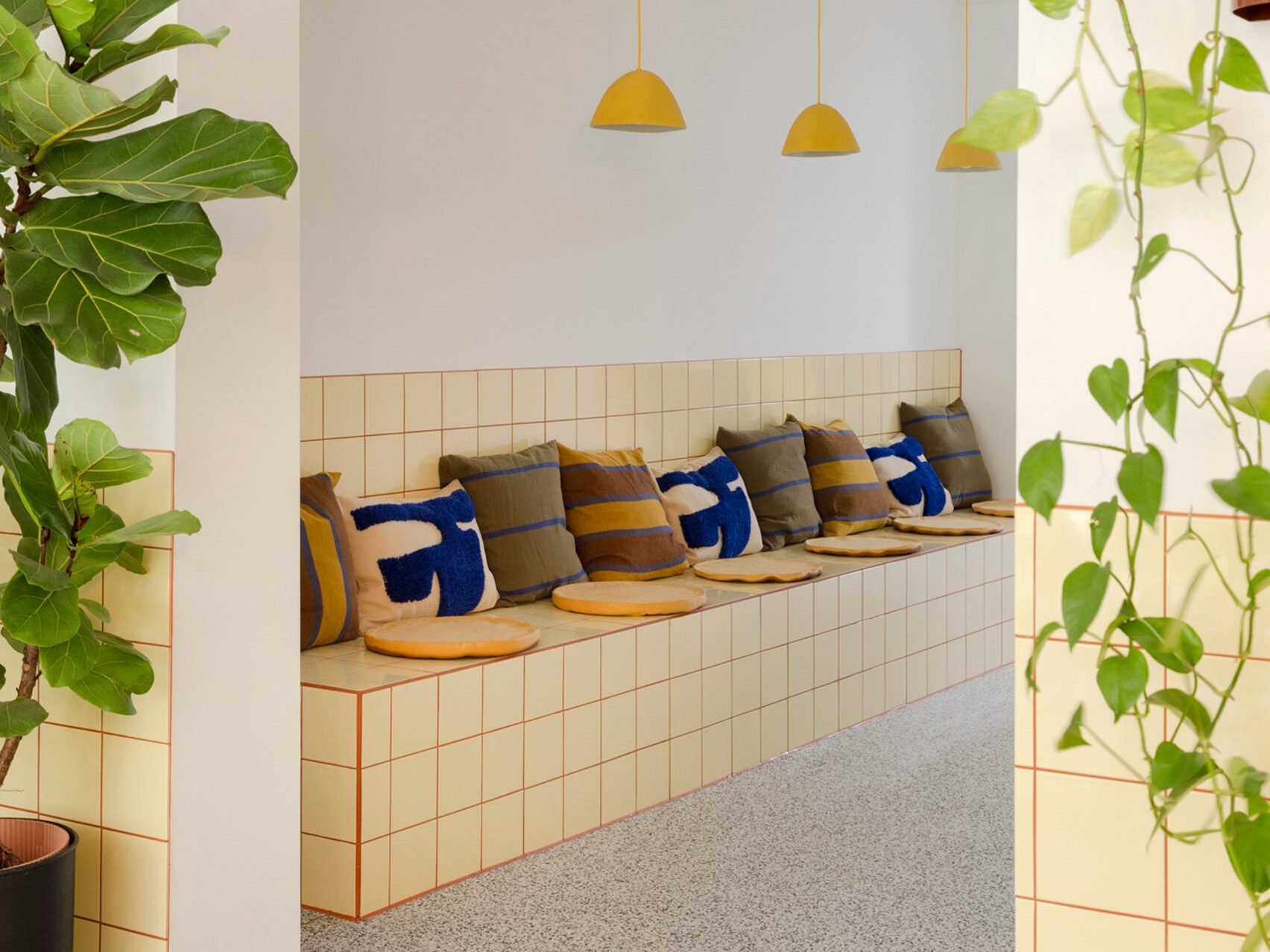
For instance, if in designing a space, we intentionally add a candle holder, we are influencing you to put a candle.
Although we can’t force you to do it, we have planted that seed in your mind.
If we add a bench in the entry hall where you can sit to remove your shoes, then we are subconsciously signaling, not only to you but to your guests too, that you should stop at the entrance for some time.
Whether you choose to sit and remove shoes (or not) is entirely up to you, but you have already made that correlation in your mind.
When we add a certain color to a door, say for washrooms, even if you go to another floor of the same building, your first instinct when you are looking for that space is to look for that specific color.
So, all in all, designing for the senses is something that can make you better navigate a space, and experience the space through the intended emotion or thought.
I have found some really good projects online that tried to design specifically for a particular sense or more than one sense at a time.
The Jewish Museum Berlin is a powerful example of how architecture can speak through the senses. Visually, its fractured form, sharp angles, and irregular openings create a constant feeling of disorientation and unease, reflecting the broken history of Jewish life in Germany.
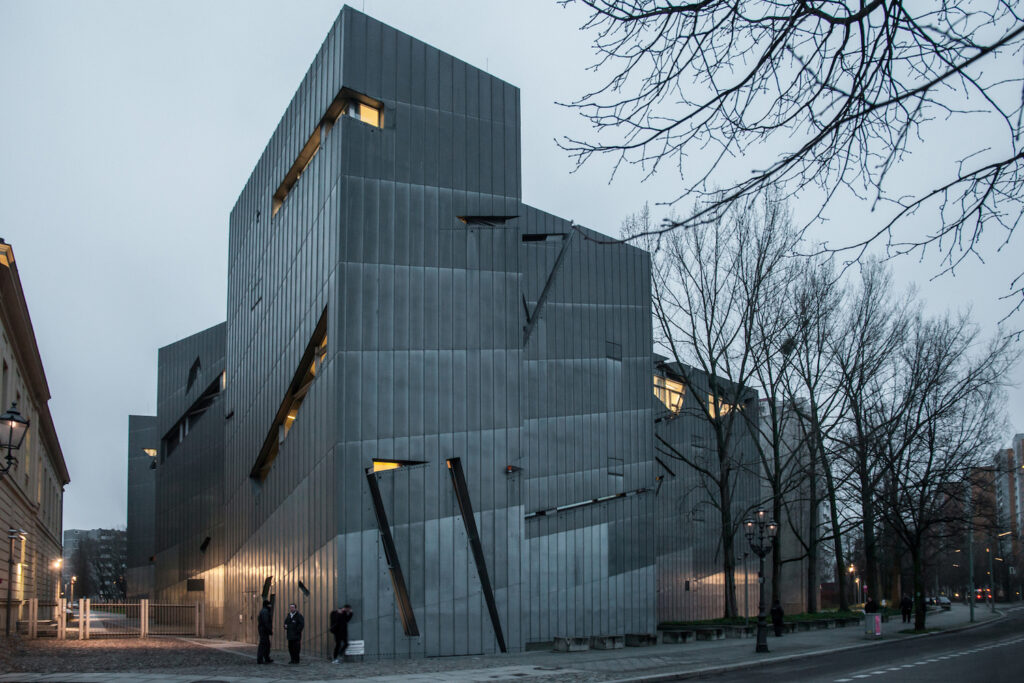
Sound is carefully shaped through voids and enclosed corridors where silence dominates, footsteps echo, and sudden emptiness becomes almost loud, making visitors more aware of absence and loss.
Through cold materials like concrete, metal, and zinc, and unheated, narrow spaces, the building feels physically and emotionally cold, allowing visitors to sense history not only with their eyes, but also through their skin and state of mind.
The Expo Cultural Park Greenhouse engages the sense of smell as a central part of the spatial experience.
As visitors move through the greenhouse, layers of scent from plants, soil, and humidity create a constantly changing atmosphere that signals different zones and climates.
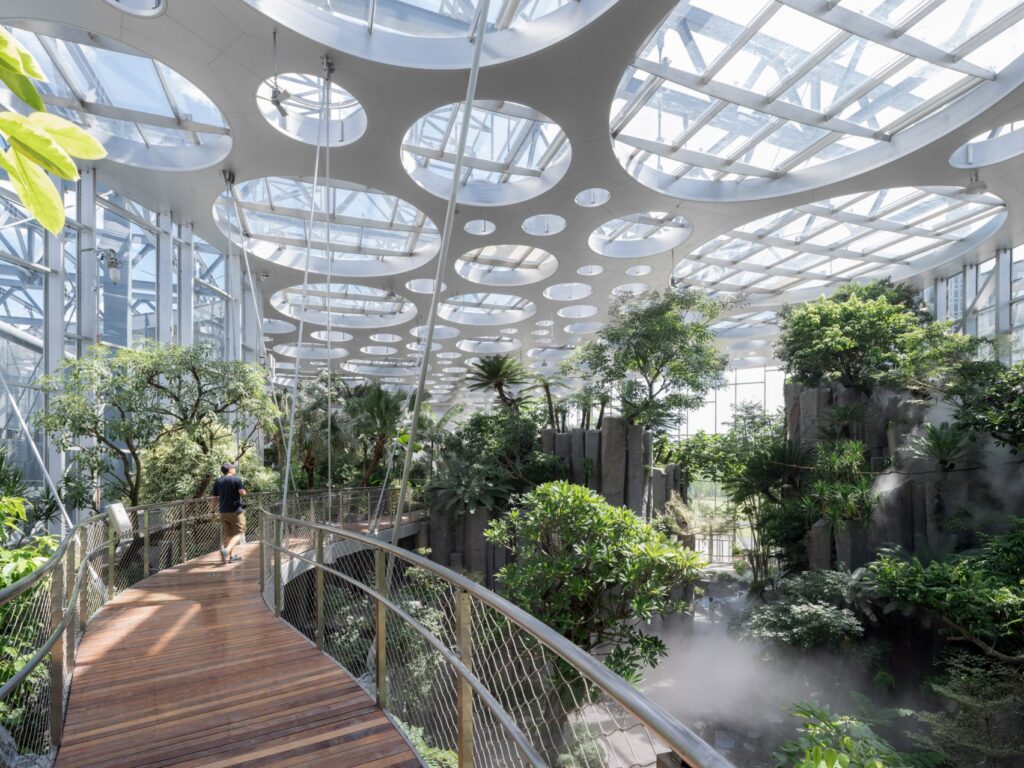
The smell of damp earth, leaves, and blossoms makes the space feel alive and immersive, strengthening the connection between people and nature.
Rather than being a neutral backdrop, scent becomes a guide and memory trigger, grounding visitors in the present moment and enhancing their emotional and sensory awareness of the space.
This sense is probably the most overlooked one when it comes to designing, because it’s not so practical to live in a space you can eat, lol.
But the Chocolate Room, American Pavilion at the Venice Biennale conveys the sense of taste primarily through color and atmosphere.
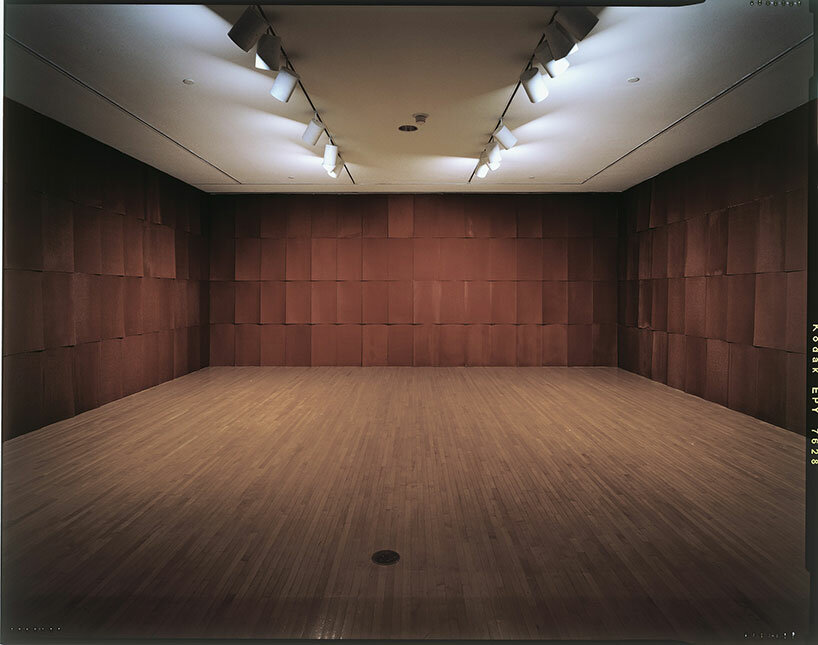
Deep brown tones dominate the space, immediately evoking the richness and bitterness of chocolate, while warmer hues suggest sweetness and comfort.
These colors trigger familiar taste memories, allowing visitors to almost sense flavor through visual association alone.
Rather than relying on actual consumption, the space uses color to activate memory and expectation, showing how architecture can communicate taste by reminding the body and mind of familiar flavors.
I had a lot of fun talking about this topic, because it came as an unplanned idea to work on, because I usually have my topics lined up beforehand, but this was truly worth it.
I hope to see you again soon, and let me know how you’re enjoying these posts too! Bye.





This was a fun topic. Considering senses in design would make spaces feel more humanly.
Talking about taste, I always associate mint green with apples 🍏