Physical Address
Kigali, Rwanda
Gasabo, Kimironko
Physical Address
Kigali, Rwanda
Gasabo, Kimironko
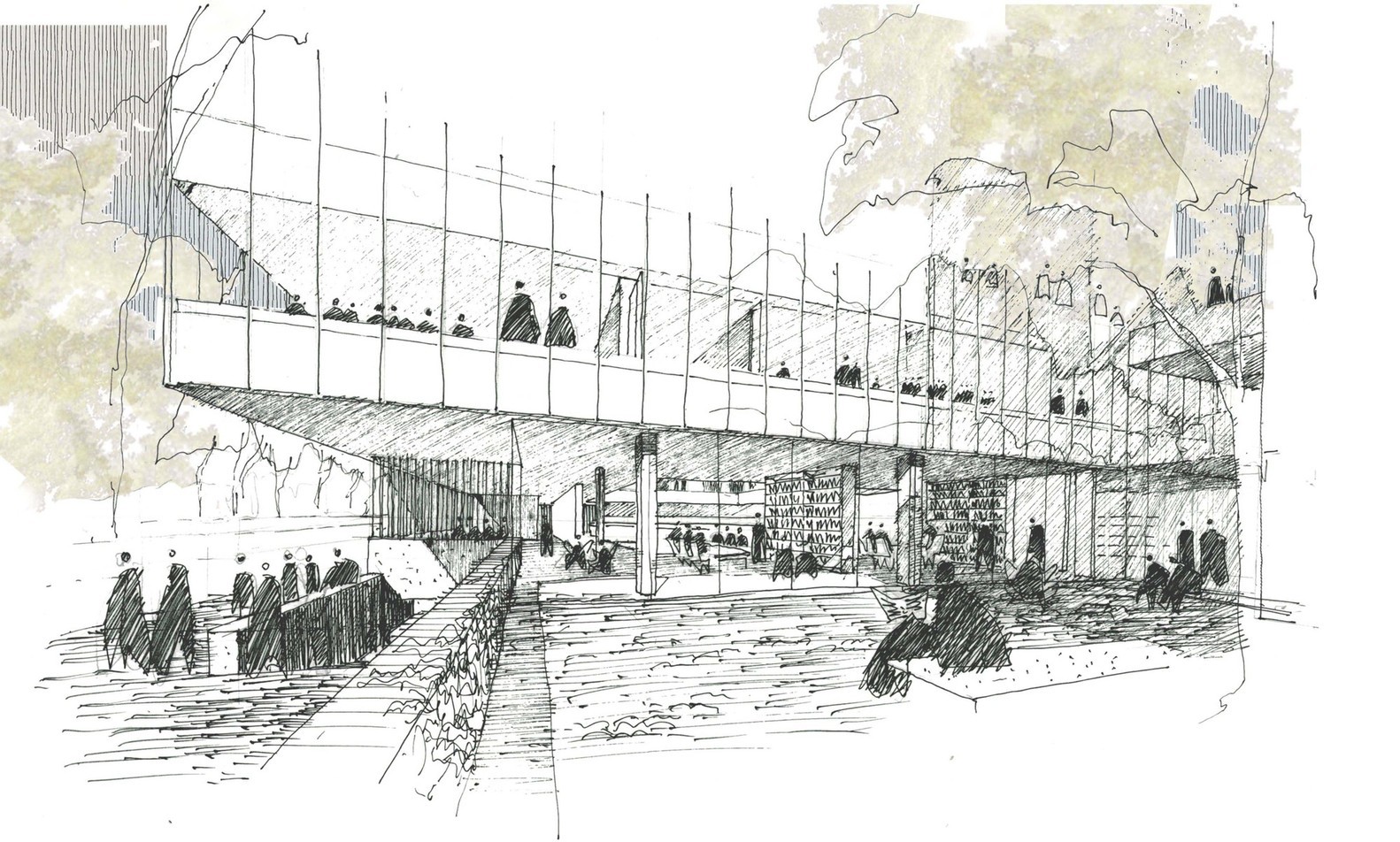
I often think about how much sketching once meant to architecture, and how quietly it has been pushed to the background.
I remember in 2016, sitting in my dorm room, carefully replicating a plan drawing from one of my favourite books, Homes: Today and Tomorrow by Ruth F. Sherwood. The book that started it all for me–falling in love with architecture and the construction world.
At the time, I was completely fascinated by how much architecture involved drawing and sketching, two things I already loved so much.
During the holidays, I would pressure my parents to buy me the best pencils, drawing tools, and painting supplies they could afford.
It felt like I was preparing for something important, even before I fully understood what architecture really was.
When my first day of architecture school finally arrived, I was genuinely excited.
My Staedtler pencil set? Check. Sketchbook? Check. Mouldable eraser? Colored pencils? Check. The big guns were out, and some more!
I remember feeling so proud because when our prof asked if anyone had pencils with shades that went beyond HB, and a sketchbook, I had both.
He said that would be our ID from then on.
I had googled what to expect in architecture school and was especially looking forward to visual arts courses, sketching, and painting.
That excitement did not last very long.
He gave us a task to sketch our phones from memory, and we drew a couple of lines trying to get them straight, and that was it as far as the sketching lessons went.
That same week, we went straight into redrawing floor plans that I barely understood.
There was no real foundation, no slow introduction into how architects actually think through drawing. I was confused, and honestly, a little disappointed.
We’ve (probably) all been there before. Drawing meticulously and so beautifully and thinking that is what architecture is about.
I’ve always been good at drawing–and this isn’t even me bragging. But one thing I did not yet understand was architectural sketching.
For a long while, I thought sketching meant neat, clean drawings. I believed being good at sketching meant producing something polished and presentable.
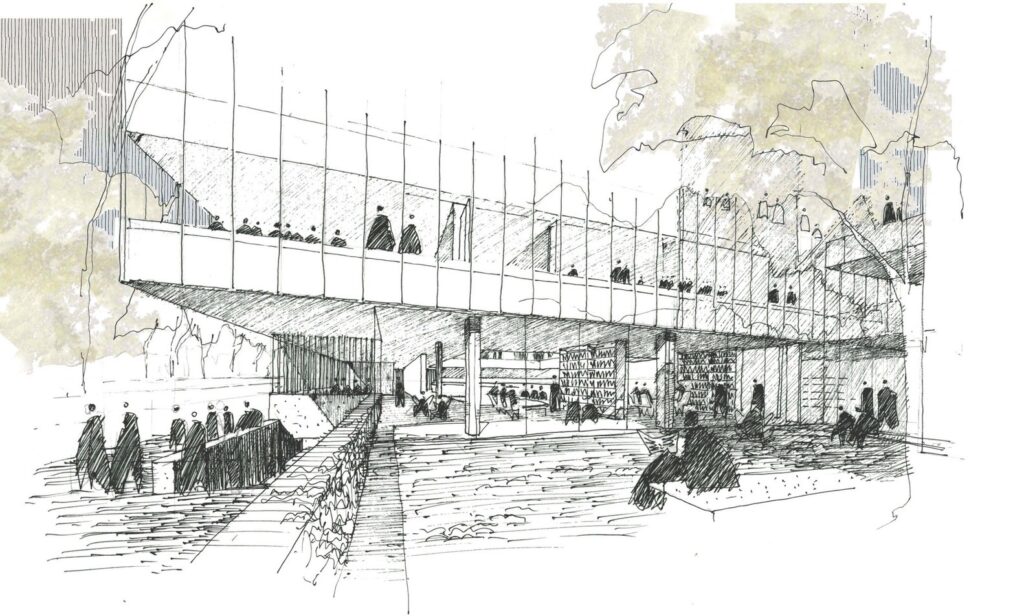
I had to learn that sketching was not about looking good, but about thinking clearly, a bit later than I would’ve loved.
This confusion is more common than we admit, especially among architecture students.
Many students walk into architecture school loving art, only to slowly detach from it, and then sketching becomes something you do only when required, not something you lean on naturally.
Sketching in architecture is not about perfect lines or beautiful presentation boards. It is not meant to be framed or admired on its own.
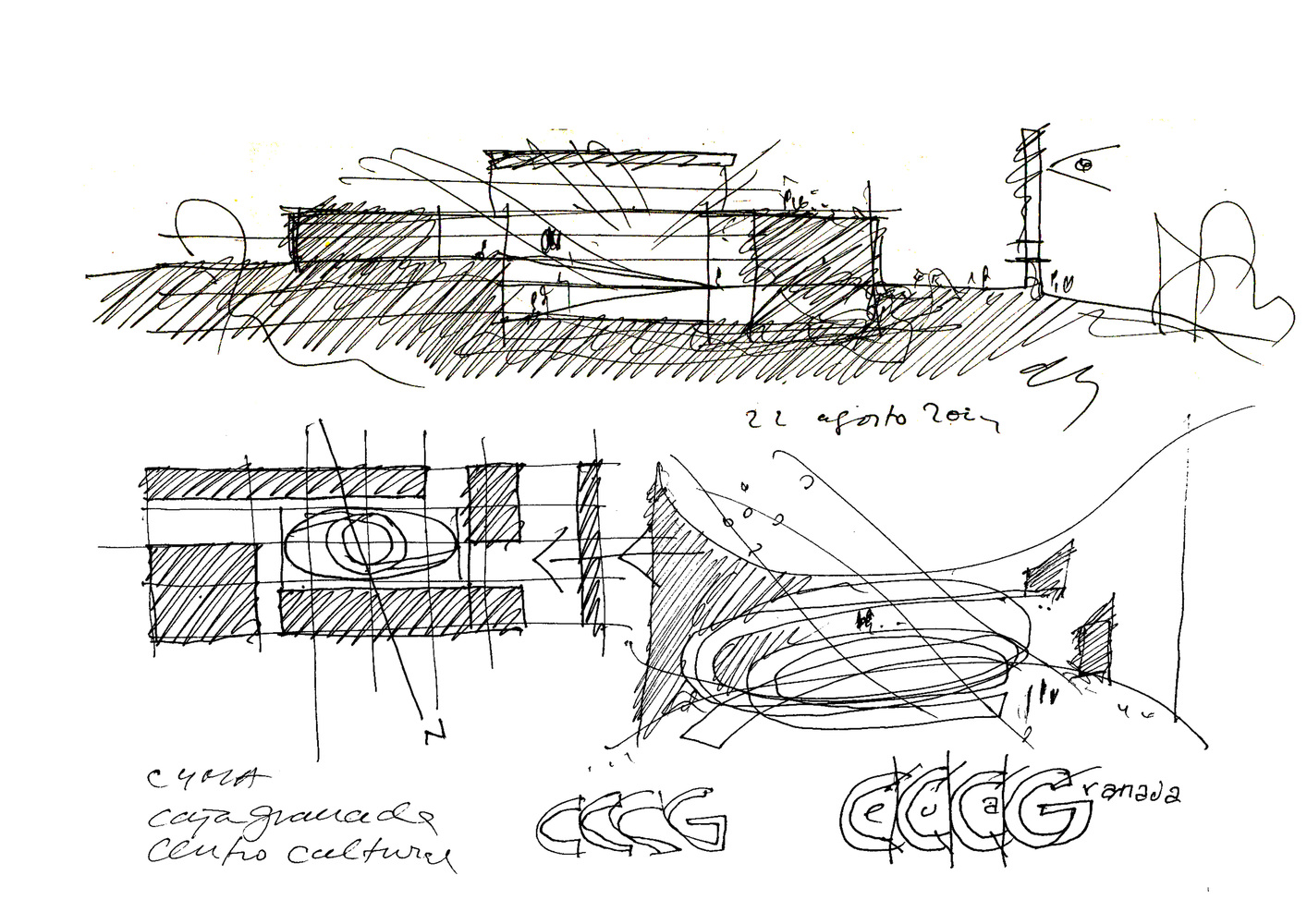
Sketching is a thinking tool. It is messy, fast, layered, and sometimes only makes sense to the person who drew it.
It allows ideas to exist before they are fully formed.
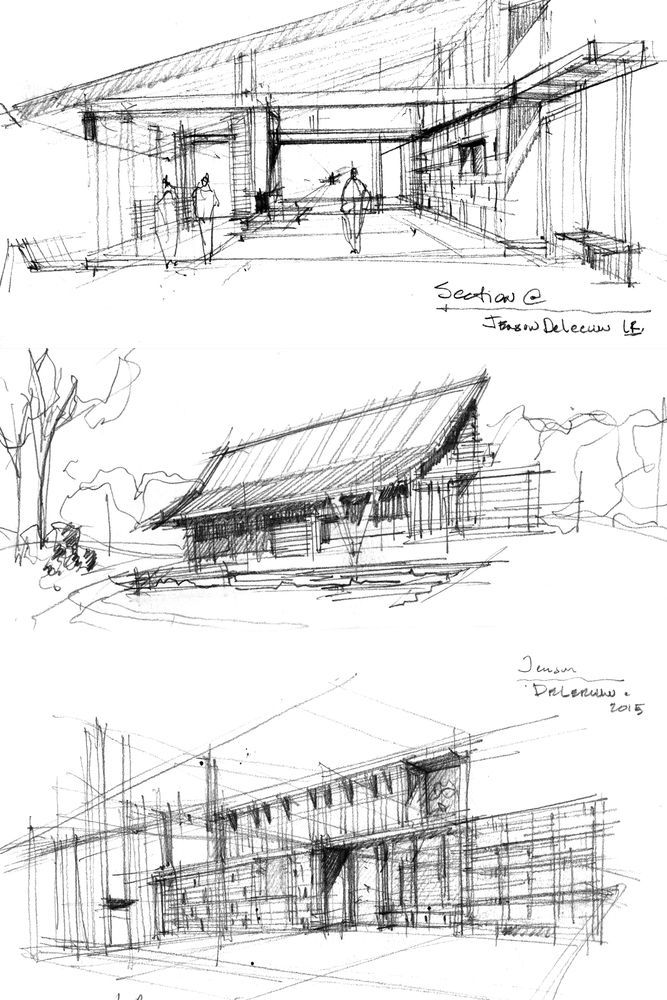
Many master architects sketched constantly, not to impress, but to explore. Their sketches were full of crossed-out lines, arrows, and notes in the margins.
The value was never the final image, but the process behind it.
Part of why sketching was so central to architecture for so long was simply because there was no alternative.
Before CAD, revisions were not quick or forgiving. If something did not work, you redrew it. Entirely. Every line mattered, because every change cost time, effort, and materials.
This naturally forced architects to think deeply before committing to technical drawings.
Sketching became the space where mistakes were allowed.
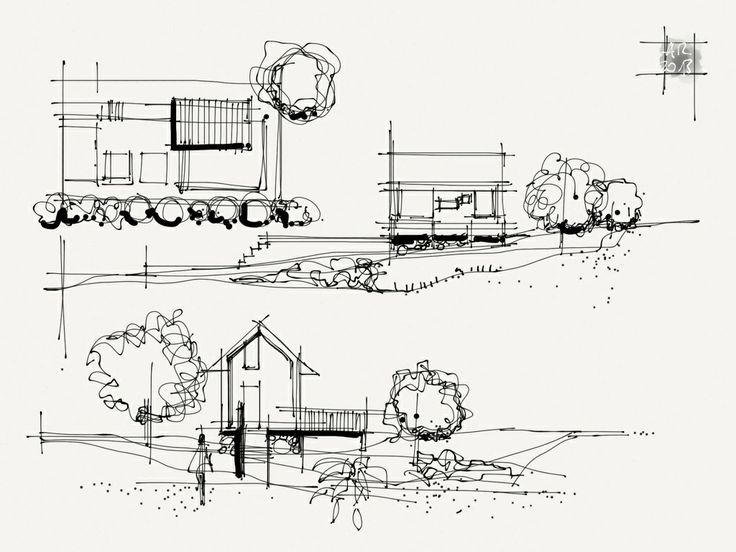
They used sketches to explore ideas, test proportions, and question spatial relationships before moving into final drawings, so that by the time they reached technical documentation, many decisions had already been resolved through sketching.
This also meant architects trained themselves to think visually very early in the process. Sketching was not a decorative step.
It was a filtering tool. Ideas that did not survive the sketch phase never made it to construction drawings.
Today, software allows us to revise endlessly, which is a gift. But it also means we sometimes skip the thinking phase and rely on correction instead.
Digital tools are powerful, and they are not the enemy. But they can trap us too early.
When you open CAD or 3D software, you are forced into precision before your idea is ready. Dimensions and geometry demand decisions that your concept may not yet deserve.
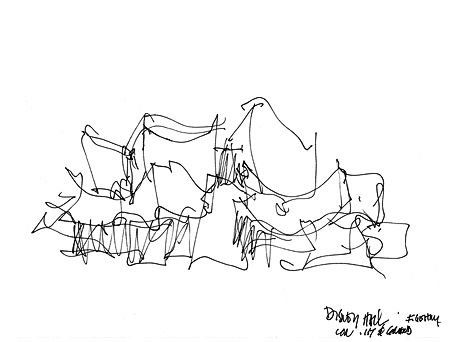
Sketching keeps ideas loose and flexible.
With a pen and paper, you can think faster than any software allows. A thought can be captured in seconds, without menus, layers, or tools getting in the way.
For those of us who were never properly trained in architectural sketching, starting again can feel intimidating.
Especially if we associate sketching with talent or perfection.
But sketching is not something you miss out on forever. It is something you return to. You do not need to sketch beautifully. You need to sketch honestly.
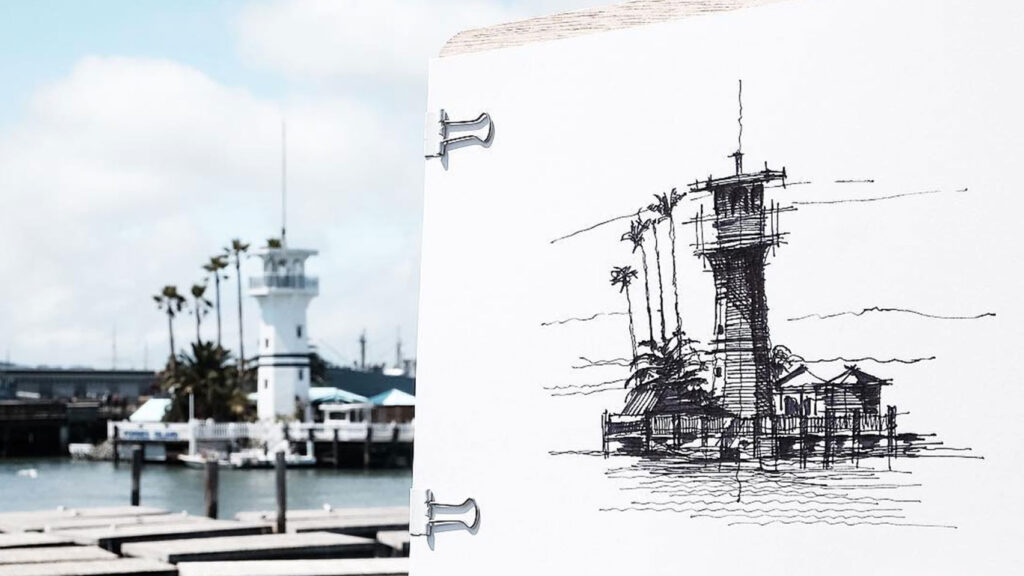
Just let lines overlap. Write notes next to drawings. Use sketching to ask questions, not to give answers.
Sketching does not need to be complicated to be useful. Small habits can make a big difference.
Vary line weight to show importance. Use arrows to indicate movement. Annotate sketches with intentions or questions. Treat sketching like visual note-taking, not finished artwork.
I do not think sketching is dead. But I do think it has been overshadowed.
Speed, productivity, time, and software have changed how we work, but they have not changed how we think.
We still need tools that allow us to explore ideas freely before committing to them. And the key thing here is in the last sentence.
Because the best advice I can give you is to learn not to get attached to your sketches.
Sketching does not need to compete with digital tools. In fact, it needs to exist alongside them.
It should be the place where ideas are born, tested, questioned, and reshaped before they become fixed. Not a performance, but a process.
Maybe making sketching “great again” is not about going backwards. Maybe it is about remembering why it mattered in the first place.
Because sometimes, the simplest tools are still the ones that help us think the most clearly.
There’s so much I could say about this topic, but I believe I have expressed the fundamental parts of it in this conversation, and I hope you leave this page today feeling more enlightened and hopefully more inspired to sketch, lol!
I hope to see you again soon, and drop topic ideas that you want to know more about for the next week. See you!